Short-term complications are day-to-day problems that can attack without warning, such as hypoglycaemia and hyperglycaemia, diabetic ketoacidosis, and hyperosmolar syndrome.
Long-term complications are Nephropathy, kidney disease in diabetes neuropathy and diabetes retinopathy. It can affect other aspects of body as well. Besides cardiovascular diseases and associated conditions, it can also wreak havoc with emotions and alter quality of life.
Diabetes depression, heart disease, diabetes stroke, erectile dysfunction and diabetes High Blood Pressure and Diabetes hypoglycaemia also known as low blood sugar. It occurs when blood sugar level drops too low. It happens more often with Type 1 diabetes, but it can sometimes happen with Type 2, if medication is too potent or if exercising a lot. Not enough sugar in blood means that cells do not have enough glucose for energy.
Brain also needs glucose to act. It doesn’t make its own glucose and is dependent on glucose in the blood. When experiencing hypoglycaemia, there might be feeling of nervous or shakiness, dizziness or light-headed, sleepy, or hungry. May be confused, sweaty or have difficulty in speaking or walking.
Hypoglycaemia ‘Low Blood Sugar’, if experiencing, means do not have enough glucose in blood for cells to act properly.
Hyperglycaemia ‘High Blood Sugar’ is a condition that happens when there is too much glucose circulating in blood, either body doesn’t produce any insulin or insulin produced is ineffective. Other signs of hyperglycaemia include increased thirst, increased urination and or increased hunger. Also blurred vision, fatigues, weight loss, poor wound healing, dry mouth and dry or itchy skin can go with long-term hyperglycaemia.
Blood glucose levels of over 240 mg/dl can sometimes cause the body to release Keaton’s into the blood. If blood glucose continues to increase, body goes into an “energy crisis” and starts to break down stored fat as an alternate energy source. This produces Keaton’s in blood as fat is burned for energy. As Keaton levels rise, blood becomes more and more acidic.
To understand diabetic ketoacidosis (DKA), means body either can’t make insulin anymore or can’t effectively use insulin produced. Insulin is a hormone that helps move glucose out of blood and into cells where it can be used for energy.
DIABETES Infection – A person with diabetes is at higher risk for infections than other people as it makes it hard for the body to move glucose, the main form of sugar in the body, from the blood into the cells, can cause several symptoms and illnesses.
A person is more susceptible to infections that may include:
•Boils, which are infections of the hair follicles
•Carbuncles, which are infections of the tissue immediately under the skin
•Deep cough that produces phlegm
•Difficulty breathing, or shortness of breath
•Fever
•Foot and leg infections, including diabetic foot ulcers, which are caused by poor circulation and nerve damage, known as diabetic neuropathy
•Gum infections, known as gingivitis, which may produce pain, swelling, and redness in the gum line
•Lung and sinus infections
•Nail infections
•Nausea and vomiting
•Night sweats
•Ringworm and athlete’s foot
•Skin rashes, coughing, or runny nose
•Sty’s, which are infections of the eyelid
•Urinary tract infections that may cause cloudy or bloody urine or painful urination
•Vaginal yeast infections in women and jock itch in men that may cause itching, vaginal discharge, or pain
•Weakness
The causes of infections in a person with diabetes vary depending on the type of infection present. The long-term effects of infection may be.
•Amputation for progressive infection of the feet or legs
•Dental problems and gum disease, including gingivitis and periodontitis
•Kidney damage from frequent infections, leading to end-stage renal disease
•Permanent skin damage, as infections may cause hot, red, swollen, or inflamed tissues, especially where the skin is irritated or broken open.
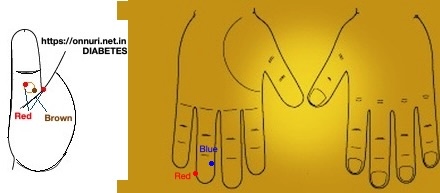
ONNURI a powerful tool, which aids in strengthening the immune system and serves to prevent diseases, control pain, and increases both the ability to act and quality of people’s lives. It has been shown to promote the health and improve the body’s immune function. It has also helped many people who were not successfully treated through conventional western medicine. The concept is traditionally accomplished through insertion of very fine needles at certain energy meridians joints of affected organs, or energy flow concept of acupuncture located along the meridians in miniature form of body on palm only! The remission of disease can be achieved, and medicaments’ therapy simultaneously can be reduced or eliminated altogether, as energy may go up-to any extent, irrespective of the insulin level. Per clinical analysis, it has been observed that one may start feeling positive results from the first few applications, provided one may follow the minor lifestyle changes too!
https://onnuri.net.in ‘Dr Dinesh kapur’
 ONNURI
Believe in Cure!