A form of arthritis that cause pain in muscles more particularly of lower back, thighs, hips, neck, shoulder and upper arms, as well as in other parts of the body. It happens when the membrane that surrounds joints, bursa and tendons near shoulders and hips (called synovial) becomes inflamed. Although the disease is centred on joints especially shoulders and hips, normally discomfort is felt in upper arms and thighs. This type of pain is called referred pain because it arises in one area but causes symptoms in another. Left untreated, it can lead to stiffness and significant disability. In some cases, though, symptoms do not get worse and may even lessen in a few years. In a minority of cases, polymyalgia rheumatic is associated with giant cell arteritis, a condition in which blood vessels in the neck and head, and sometimes elsewhere, are inflamed. Common symptoms of giant cell arteritis include visual complaints, jaw pain with chewing and headache. If left untreated, giant cell arteritis can lead to blindness or other complications.
Symptoms of polymyalgia rheumatic can include:
•aches or pain
•arthritis
•anemia
•appetite lacks
•breath shortness
•cough chronic dry
•depression
•fatigue
•fever low-grade
•illness overall feeling
•joint swelling
•motion limited range in affected area
•pain, stiffness in shoulder, upper arm, neck, lower back, hips and thigh that tends to be worse in morning or after sleep
•speech difficult
•stiffness in affected areas
•swallowing difficult
•temporal arteritis people also have polymyalgia rheumatic •walking difficult
•Weight loss unintended
•Women are twice as likely to get PMR as men. And more. Normally, patients are encouraged to exercise and healthy diet!
Diagnosis:
Certain symptoms, such as headache, jaw pain when you chew or high fever, may suggest the presence of giant cell arteritis. A blood test to measure inflammation throughout body, called erythrocyte sedimentation rate (ESR), often shows higher results in people with polymyalgia rheumatic. This test may be helpful both to diagnose the condition and to check whether treatment is working. Though physical therapy may help to control discomfort and maintain the ability to move and function. If symptoms such as fever, visual problems or headache as these symptoms suggest that person could have giant cell arteritis then an evaluation is needed.
Prognosis:
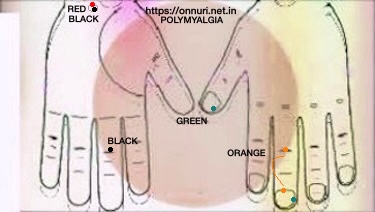
Prognosis: Although treatment may be required for a long time, the outlook for individuals with polymyalgia rheumatica is generally positive. However, if giant cell arteritis is present, vision loss may occur in one eye or, more rarely, in both eyes, especially if treatment is delayed. The stiffness and pain may result from the activity of inflammatory cells and proteins that are part of the body’s immune system. This inflammatory activity appears to be concentrated in tissues surrounding the affected joints. Typically, white blood cells attack the lining of joints, causing inflammation. Individuals with the human leukocyte antigen DR4 are at a higher risk.
Patients are generally advised to engage in regular exercise and maintain a healthy diet. Exercise strengthens muscles, helps prevent weight gain, maintains joint health, relieves stiffness, reduces pain and fatigue, and improves muscle and bone strength. A balanced diet supports a strong immune system and contributes to building strong muscles and bones.
One should also avoid holding one position for too long. Avoid positions or movements that place extra stress on affected joints. Reduce stress, which can irritate symptoms. Try meditation!
Using color with a permanent marker can help with syndromes by addressing the organic relationship between affected parts and meridians. ONNURI focuses on the invisible life energies running through the body along these meridians. This system is further compacted into a miniature form to control health using the hands.
https://onnuri.net.in ‘Dr Dinesh kapur’
 ONNURI
Believe in Cure!