Dialysis removes waste products and excess fluids from the blood when kidneys fail, typically due to chronic kidney disease. It is usually required two to three times a week for life or until a kidney transplant occurs. There are two methods of dialysis:
Haemodialysis channels a patient’s blood through a renal dialysis machine, mimicking kidney functions. Typically done in clinics, it involves drawing blood from an arm artery, filtering out waste via an artificial membrane, and returning the cleansed blood to an arm vein.
Peritoneal dialysis uses the filtering properties of the peritoneum, the membrane that lines the abdominal and pelvic cavities that covers the intestines. Waste products in the blood passing through the peritoneal capillaries are filtered into fluid introduced into the peritoneal cavity via a catheter inserted through a small incision in the abdominal wall allows dialysis fluid to pass into the peritoneal cavity.
Dialysis is not a cure but can improve quality of life and longevity. A kidney transplant is ideal for healthy individuals, providing a more normal life. Matching blood and tissue types may require a waiting period, per conventional concept.
Dialysis Diet – When food is digested, nutrients enter the bloodstream and are delivered to cells, which return waste to the blood. Healthy kidneys filter this waste out through urine and bowel movements. In cases of kidney failure, hemodialysis artificially performs this function but cannot fully replicate kidney functions like hormone release and aiding in red blood cell production and mineral absorption. Because wastes can accumulate between dialysis sessions, a dialysis diet helps reduce waste build-up by monitoring intake.
Key aspects of the dialysis diet include:
Fluids – A dialysis diet aims to regulate fluid, potassium, phosphorus, and sodium levels in the body while ensuring adequate intake of calories and proteins for health maintenance. The body may accumulate fluids between dialysis sessions, leading to puffiness or weight gain, which needs to be managed. Certain fruits and vegetables with high water content should be consumed in limited amounts, including melons, grapes, oranges, tomatoes, celery, and similar items.
Minerals – Healthy kidneys maintain appropriate phosphorous levels to ensure proper heart function. It is advisable to consume smaller portions of potassium-rich foods like avocados, bananas, kiwis, and dried fruit to limit potassium intake. The same guideline applies to oranges, melons, and pears. Removing some potassium from vegetables such as tomatoes and potatoes can be done by peeling and soaking them in water for several hours. Excessive phosphorus can weaken bones by reducing calcium levels. Foods like milk, cheese, dried beans, peas, colas, nuts, and peanut butter should be monitored due to their high phosphorous content.
Proteins – A low-protein diet is generally recommended for natural weight loss to maintain muscle and repair tissue. For dialysis patients, a high-protein diet may be advised to reduce waste production like urea. Opt for high-quality proteins such as fish and egg whites.
Weight Management – Some diabetics need to gain weight and may be advised to increase calorie intake. Healthy sources of calories include olive, rapeseed, and safflower oils, which can be added to bread, rice, and noodles. Dietary changes can help protect damaged kidneys.
Key Points: Limit sodium, fluids, and protein, along with potassium and phosphorus if necessary. Kidney disease means the kidneys aren’t filtering blood properly, leading to waste build-up and illness. Each kidney has about a million nephrons that filter blood. Damaged nephrons stop working, causing more strain on healthy ones until they can’t keep up.
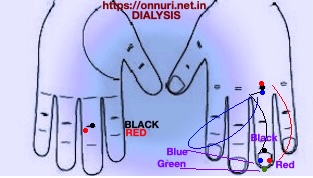
Too much sodium can cause HBP or heart failure. It’s hidden in foods like cheddar cheese and processed items. To reduce sodium, limit sauces, frozen dinners, canned soups, and salad dressings. Measure and use half the salt in recipes. Improving kidney function without dialysis may be possible.
Per energy ONNURI concept, there is a potential for improving kidney function. To aide in syndromes may put color marking. This approach suggests that the quality of life can be enhanced by inserting very fine needles at specific energy meridians, in miniature form on the hands and feet, without direct application to the main organs. The needle insertion is shallow, penetrating only 1mm on the skin’s surface, and effectiveness can begin within 10 to 15 sessions. Disease remission may be achieved, potentially reducing or eliminating the need for medication if lifestyle recommendations are followed. The treatment course is generally uneventful, and it is noted that there are no side effects.
https://onnuri.net.in ‘Dr Dinesh kapur’
 ONNURI
Believe in Cure!